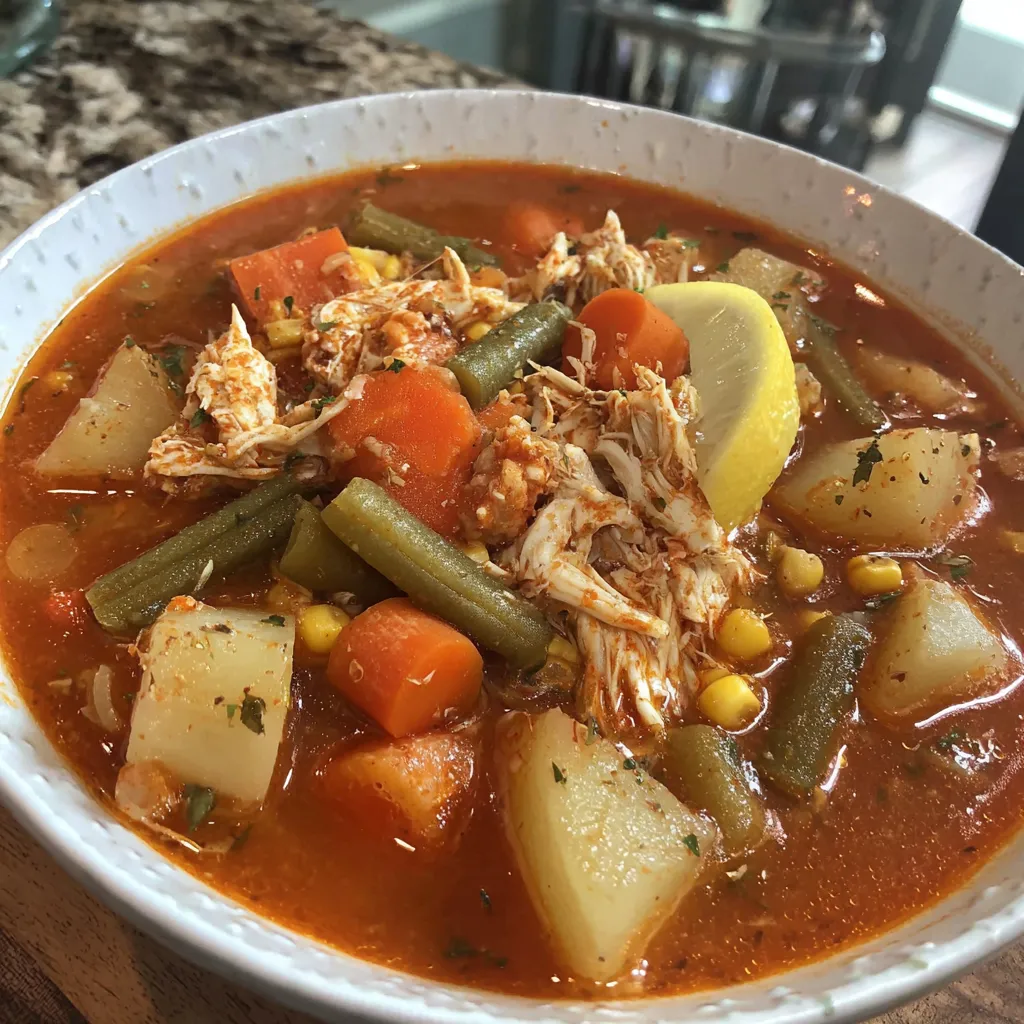
Savoring the Soul of the Chesapeake: An Ode to Maryland Crab Soup
Few dishes encapsulate the culinary heart of a region quite like Maryland crab soup. More than just a meal, it's a vibrant bowl brimming with history, tradition, and the unmistakable taste of the Chesapeake Bay. For generations, this robust, tomato-based concoction, generously laden with succulent blue crab meat and an array of garden vegetables, has been a staple on Maryland tables, celebrated for its hearty flavor and comforting warmth. It's a dish that evokes images of sunny days by the shore, bustling crab houses, and family gatherings, making it an essential experience for anyone looking to truly taste Maryland.
Far from its creamy counterpart, Cream of Crab Soup, the traditional Maryland Crab Soup stands out with its clear, spiced broth and a rich tapestry of ingredients that tell a story of the region's agricultural and maritime heritage. Whether you're a lifelong Marylander or a visitor eager to delve into local flavors, understanding and appreciating this iconic soup is key to unlocking the state's gastronomic soul. Let's dive into what makes this soup so beloved and how you can experience its authentic charm.
The Rich History and Heritage of Maryland Crab Soup
The origins of Maryland Crab Soup are deeply intertwined with the bounty of the Chesapeake Bay and the agricultural traditions of Maryland. Crabs have been a food source in the region for centuries, with indigenous peoples harvesting them long before European settlers arrived. As the colony developed, so did its unique cuisine, adapting recipes from European settlers to the readily available local ingredients. The blue crab, famous for its sweet, delicate meat, quickly became a prized commodity.
Early versions of crab soup were likely simpler, perhaps just crab meat simmered with basic vegetables and seasonings. Over time, as diverse culinary influences merged, the soup evolved into the complex and flavorful dish we know today. The addition of Old Bay seasoning, a Maryland invention from the 1930s, solidified the soup's distinctive spice profile. Maryland Crab Soup isn't just a recipe; it's a culinary artifact, a testament to the resourcefulness and creativity of generations of Maryland cooks who turned humble ingredients into an extraordinary regional delicacy.
A Taste of Chesapeake Bay Tradition
The very essence of Maryland Crab Soup is its connection to the Chesapeake Bay. This vast estuary provides the world-renowned blue crabs that are the undisputed stars of the dish. The tradition of crabbing, whether commercially or recreationally, is a cornerstone of Maryland life and economy. Every spoonful of authentic Maryland Crab Soup reflects this heritage, bringing the fresh taste of the bay directly to your bowl.
The seasonal availability of fresh local vegetables, such as corn, green beans, tomatoes, and potatoes, further roots the soup in Maryland's agricultural landscape. It's a dish that celebrates both land and sea, a perfect harmony of flavors that speaks to the state's unique geographical position and cultural identity. Enjoying a bowl of Maryland Crab Soup is more than just eating; it's participating in a time-honored tradition that has nourished and delighted Marylanders for centuries.
What Makes a Maryland Crab Soup Authentic? Key Ingredients and Flavors
An authentic Maryland Crab Soup is characterized by several non-negotiable elements. It's a clear, tomato-based broth, distinctly flavored with Old Bay seasoning and brimming with a generous mix of vegetables and, most importantly, high-quality crab meat. The lack of cream or milk is what truly sets it apart from its "cream of crab" cousin, offering a lighter yet equally satisfying experience.
The Star Ingredient: Maryland Blue Crabs
Without the right crab, it's simply not Maryland Crab Soup. The best soup utilizes fresh, local Maryland blue crabs, ideally lump or backfin crab meat. This provides large, succulent pieces of crab that stand out in every spoonful. While pasteurized crab meat can be used, fresh crab meat from local watermen delivers an unparalleled sweetness and texture that elevates the soup from good to truly exceptional. The quality of the crab is paramount; it's the heart and soul of the dish.
The Perfect Broth and Veggies
The broth of Maryland Crab Soup is typically a tomato-based foundation, often starting with beef or vegetable broth, enriched with canned diced tomatoes, tomato paste, or even V8 juice for an added depth of flavor. The key is a rich, savory base that complements the crab rather than overpowering it. Then comes the vibrant medley of vegetables. While exact combinations can vary by family recipe or restaurant, common additions include:
- Corn: Adds a touch of sweetness.
- Green Beans: Offers a pleasant crunch and earthy note.
- Potatoes: Provides a hearty texture and helps thicken the soup slightly.
- Carrots: Contributes a subtle sweetness and color.
- Celery: Adds aromatic depth.
- Onions: A fundamental aromatic base.
- Lima Beans (optional but traditional): Brings a unique, slightly starchy texture.
And, of course, the signature spice blend: Old Bay Seasoning. This iconic Maryland spice, with its blend of celery salt, paprika, black pepper, and other secret spices, is indispensable for achieving the authentic flavor profile of a Maryland Crab Soup. A touch of dry sherry or Worcestershire sauce might also be added for an extra layer of complexity.
Crafting Your Own Maryland Crab Soup: Tips for Home Cooks
Making Maryland Crab Soup at home is a rewarding experience that allows you to tailor the flavors to your preference. While it may seem daunting, with a few key tips, you can create a truly memorable pot of soup.
Sourcing the Best Ingredients
The foundation of a great soup is great ingredients.
- Crab Meat: If possible, buy fresh lump or backfin crab meat from a local seafood market or supplier. Look for "Maryland blue crab" specifically. If fresh isn't an option, high-quality pasteurized crab meat will do, but drain it well.
- Vegetables: Use fresh, seasonal vegetables whenever possible. Frozen vegetables are a convenient alternative for some items like corn and green beans.
- Broth: A good quality beef broth or vegetable broth will provide a robust base.
- Old Bay: Don't skimp on the Old Bay! It's the essential spice.
Balancing Flavors and Spices
The key to a delicious Maryland Crab Soup is balancing the savory, sweet, and spicy elements.
- Layering Flavors: Start by sautéing your aromatics (onions, celery, carrots) before adding broth and tomatoes. This builds a strong flavor base.
- Old Bay Application: Add Old Bay in stages. You can season the vegetables as they cook and then add more to the broth. Taste and adjust. Remember, you can always add more, but you can't take it away!
- Simmer Time: Allow the vegetables to simmer long enough for their flavors to meld and for the potatoes to become tender.
- Adding Crab: Add the crab meat towards the very end of the cooking process, just enough to heat it through (5-10 minutes). Overcooking crab meat can make it tough and reduce its delicate flavor.
- Optional Kick: For those who like a bit more heat, a pinch of red pepper flakes can be added.
Serving Suggestions and Pairings
Maryland Crab Soup is hearty enough to be a meal on its own, but it also pairs wonderfully with simple accompaniments.
- Crackers or Crusty Bread: Perfect for soaking up the flavorful broth. Oyster crackers are a classic choice.
- Cornbread: A sweet and savory contrast.
- Side Salad: A light, crisp green salad provides a refreshing counterpoint to the rich soup.
- Beverage Pairings: A crisp, dry white wine, a local craft beer, or even iced tea complement the flavors beautifully.
Exploring Variations and Regional Nuances of Maryland Crab Soup
While the classic tomato-based Maryland Crab Soup is widely celebrated, it's worth noting that "crab soup" in Maryland can sometimes be a broader term. The state is also famous for its rich and creamy Cream of Crab Soup, which offers a distinctly different, milky, and decadent experience. While both are beloved, they cater to different palates.
Even within the vegetable-based Maryland Crab Soup, slight regional variations exist. Some families prefer more potatoes, others more corn, and the spice level can vary from mild to boldly seasoned. Some old-school recipes might even include a bit of pork or ham hock for extra depth in the broth, a nod to Southern culinary influences. These nuances highlight the rich tapestry of Maryland's home cooking traditions, where every family and restaurant often has its own cherished version of this iconic dish.
Conclusion
Maryland Crab Soup is much more than just a culinary delight; it's a bowl full of history, a celebration of the Chesapeake Bay, and a comforting taste of home for countless Marylanders. Its robust flavors, generous chunks of sweet blue crab, and vibrant array of vegetables make it an irresistible dish that perfectly embodies the spirit of the Free State. Whether you're enjoying it at a waterside restaurant, a bustling market, or from a pot you’ve lovingly prepared in your own kitchen, Maryland Crab Soup offers an authentic and deeply satisfying experience. So, next time you're craving a taste of tradition and true regional flavor, reach for a steaming bowl of this beloved Maryland classic.
